GREEN SERIES
Wanderings in Balochistan (Annotated)
Across Balochistan, the next well can matter more than the next frontier.
Forthcoming
Explore the edition →
Life and work
1840–1887
Major-General Sir Charles Metcalfe MacGregor
Soldier, explorer and military geographer.
For MacGregor, geography was inseparable from responsibility in the field. The author who records a landscape's appearance also asks what its tracks, wells and grazing would mean to those required to traverse it.
Return to the editions ↓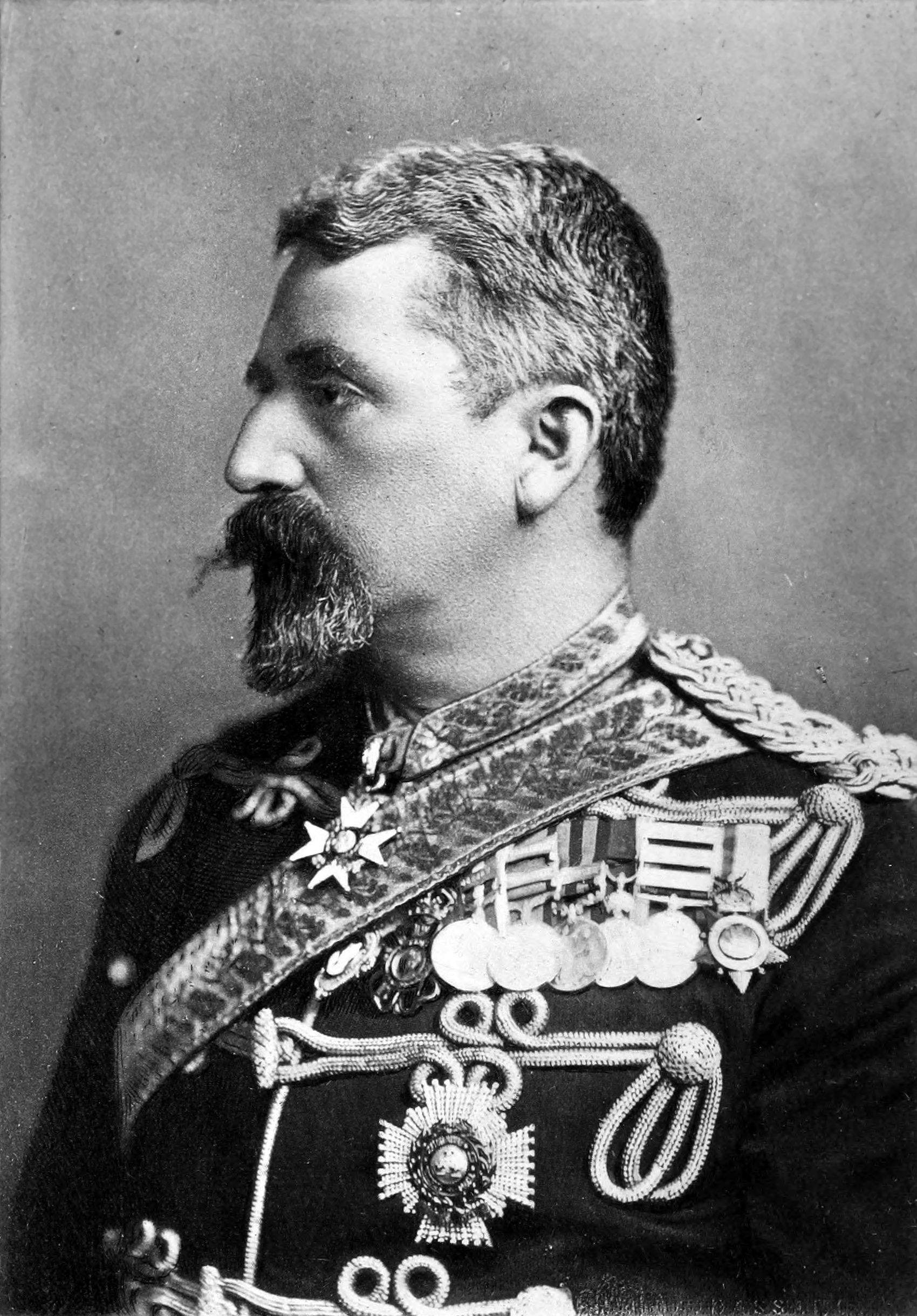
Wanderings in Balochistan follows the routes through Makran and the desert towards the Helmand. An English AETERNUS edition is in preparation.
GREEN SERIES
Across Balochistan, the next well can matter more than the next frontier.
Forthcoming
Explore the edition →Historical map
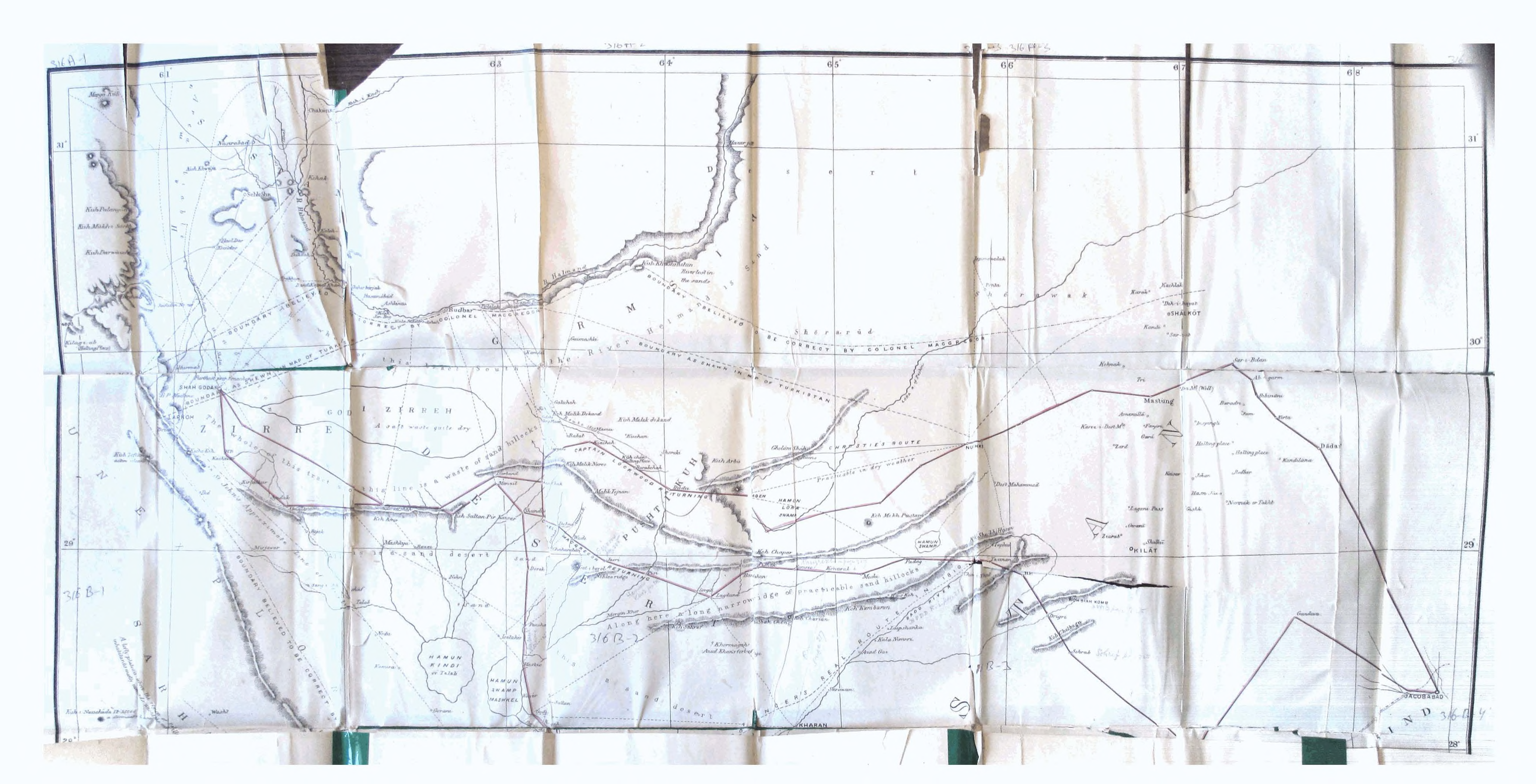
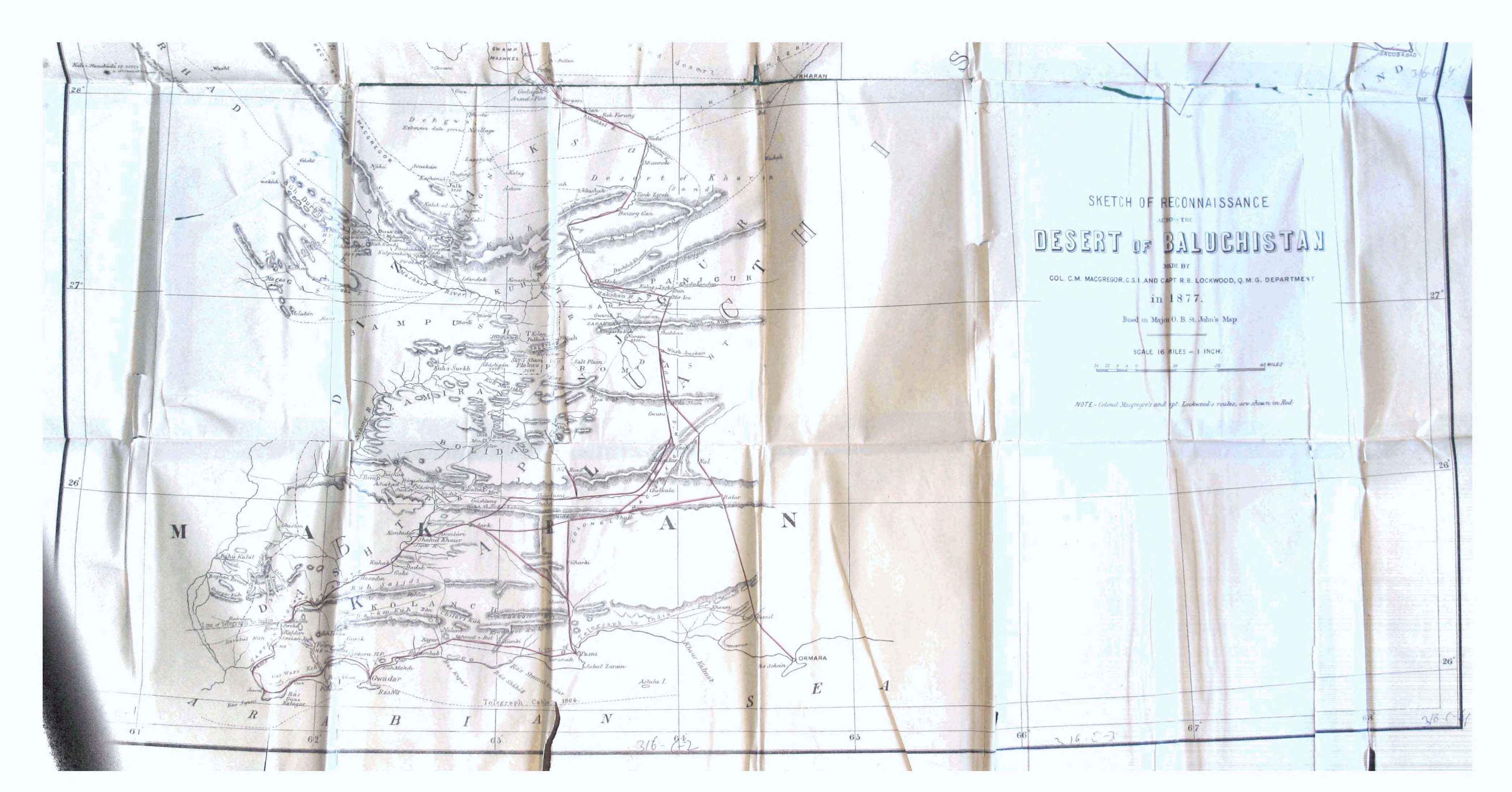
Reconnaissance across the Desert of Balochistan, 1877. Open the two overlapping scan sections at full resolution.
Original full-resolution scan section.
Download the northern half ↓Original full-resolution scan section.
Download the southern half ↓Life and work
Major-General Sir Charles Metcalfe MacGregor (1840–1887) combined active campaigning with the collection of geographical and military intelligence. Born at Agra and educated at Marlborough, he entered the Indian Army in 1856. His service included the fighting at Lucknow, followed by campaigns in China, Bhutan and Abyssinia. The range of that experience is reflected in his concern with the practical conditions under which men and animals could move and be supplied.
Gazetted 31 December 1875.
Appointed 1 January 1878.
Appointed in 1881.
During the Second Afghan War he served on the communications of the field forces and subsequently as Chief of the Staff of the Northern Afghanistan Field Force. From 6 August 1880 he commanded the 3rd Infantry Brigade of the Kabul–Kandahar Field Force. He became Quartermaster-General in India on 19 November 1880 and held the appointment until 27 November 1885, taking command of the Punjab Frontier Force the following day.
MacGregor helped establish the United Service Institution of India in 1870. His work as an explorer and compiler belonged to the same professional undertaking: gathering information, testing it against experience and making it available for military study. Wanderings in Balochistan presents that habit of observation in the form of a travel narrative, alongside the route material collected in its appendices.
That combination gives his writing its particular place between travel literature and the study of India's frontiers.