Green · Military, expeditions and frontiers
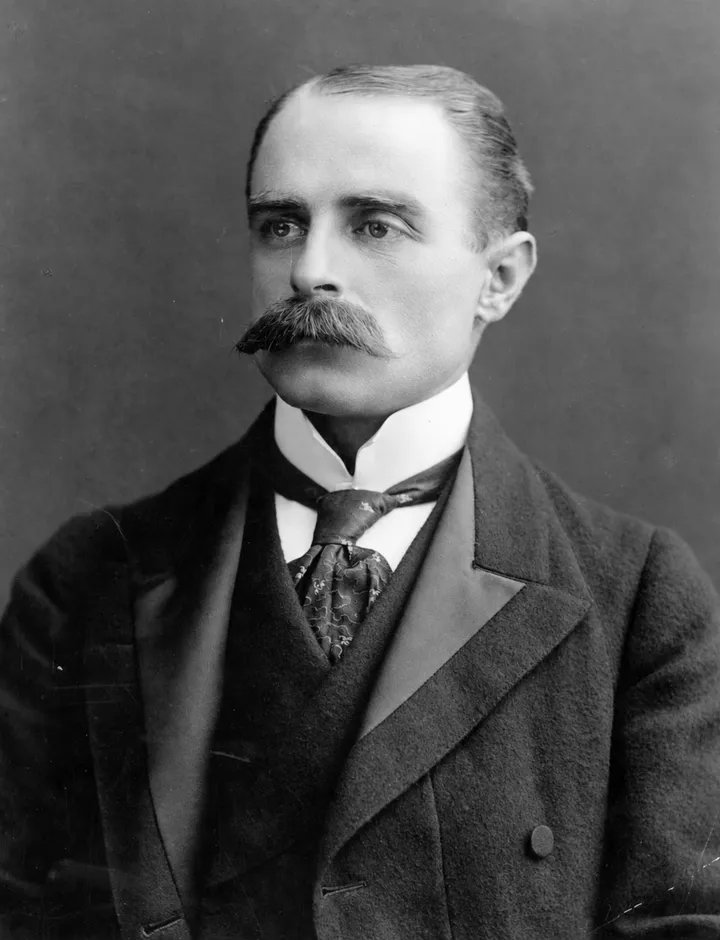
Sir Francis Younghusband
1863–1942
Before conquest came the attempt.
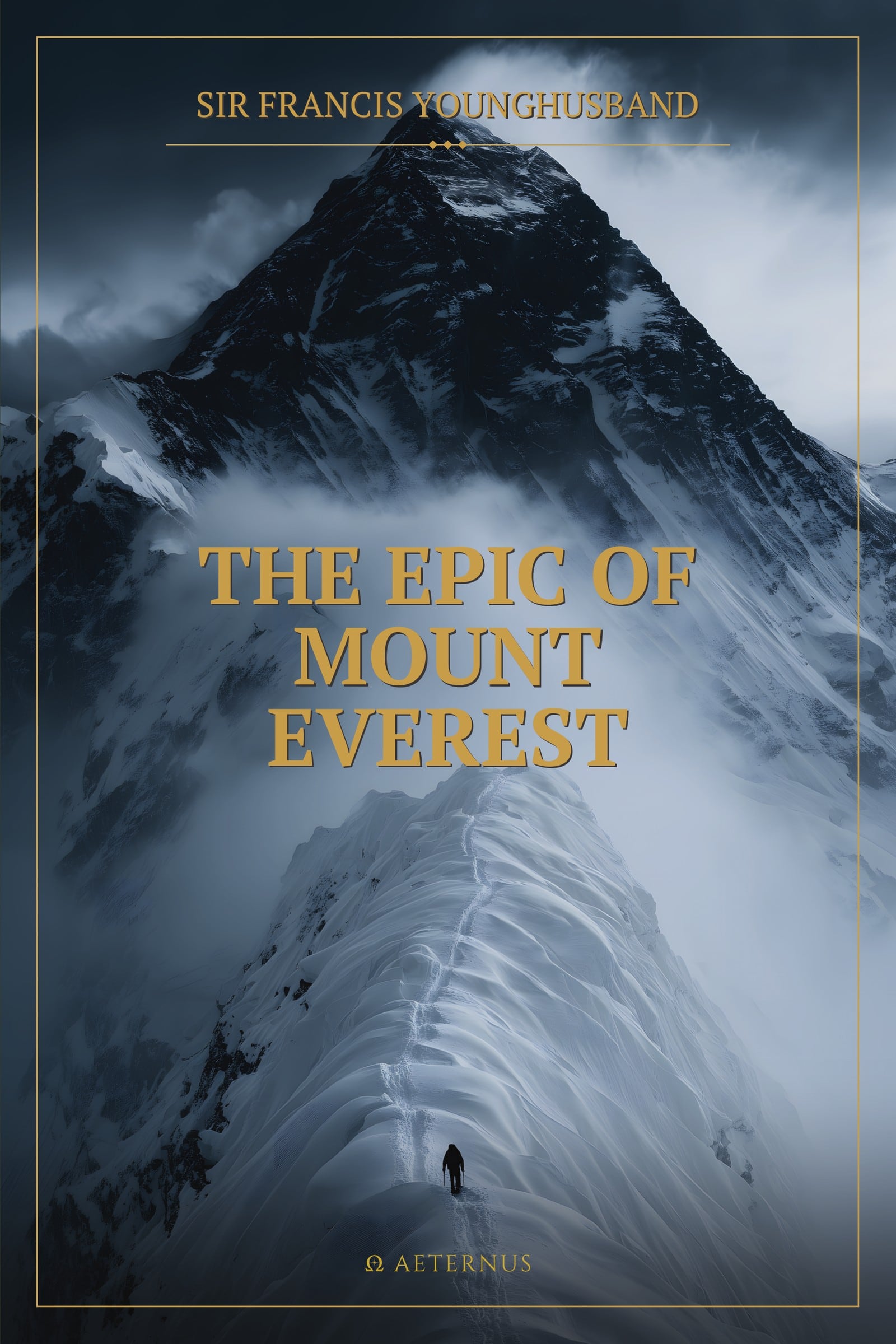
Soldier, traveller in Central Asia and leader of the mission to Lhasa, Younghusband presided over the first British attempts upon Everest. The Epic of Mount Everest (1926) gathers the expeditions of 1921, 1922 and 1924 into one continuous narrative.
English-language editions
 ↗
↗GREEN
Sir Francis Younghusband
In 1921, Mount Everest was still a fortress of unknown ridges, glaciers and immense altitude. Britain sent an expedition not to conquer Everest, but to discover whether a way to its summit existed at all. They returned in 1922 to make the first determined assault upon the mountain, and again in 1924 for the expedition that would become inseparable from the names of George Mallory and Andrew Irvine.
Explore the edition →Life & context
The road into Asia
Francis Edward Younghusband was born in 1863 at Murree, in the Punjab of British India. Educated at Clifton College and the Royal Military College, Sandhurst, he was commissioned into the 1st King’s Dragoon Guards and returned to India as a young officer.
From the middle of the 1880s he turned to exploration. After travelling through Manchuria he crossed the Gobi Desert, continued westward through Chinese Turkestan and forced a passage towards India over the Muztagh Pass of the Karakoram. Further journeys through the Pamirs, where British India, Russia, Afghanistan and China approached one another, established him among the leading Asian travellers of his generation.
Frontier service and Lhasa
The Royal Geographical Society made him a Fellow while he was still in his twenties and awarded him its Founder’s Medal. He served as a political officer on the north-western approaches to India, in Hunza and Chitral, and rose within the Indian Political Department.
In 1903–1904 he led the British mission to Tibet, which reached Lhasa. He afterwards served as British Resident in Kashmir before withdrawing from imperial administration.
The Mount Everest Committee
As President of the Royal Geographical Society from 1919 to 1922, and as chairman of the Mount Everest Committee formed jointly by the Society and the Alpine Club, Younghusband stood at the centre of the first British attempts upon the mountain. He did not climb it himself: he helped make the enterprise possible and interpreted it to the world.
The reconnaissance of 1921 found the approach by the North Col; in 1922 men climbed higher than ever before, and an avalanche killed seven Himalayan porters; in 1924 Edward Norton reached about 28,000 feet without supplementary oxygen, and George Mallory and Andrew Irvine were last seen high on the mountain on 8 June. In 1926 Younghusband gathered the three expeditions into The Epic of Mount Everest. His later writings turned to religion and philosophy. He died in 1942 at Lytchett Minster, Dorset.
