AETERNUS

Life and work

Frederick Sleigh Roberts

1832–1914

Field-Marshal Lord Roberts of Kandahar, V.C.

From the Bengal Artillery to command in India.

Field-Marshal Frederick Sleigh Roberts, Lord Roberts of Kandahar, V.C. (1832–1914), spent the greater part of his professional life in India.

Return to the editions ↓
Frederick Sleigh Roberts
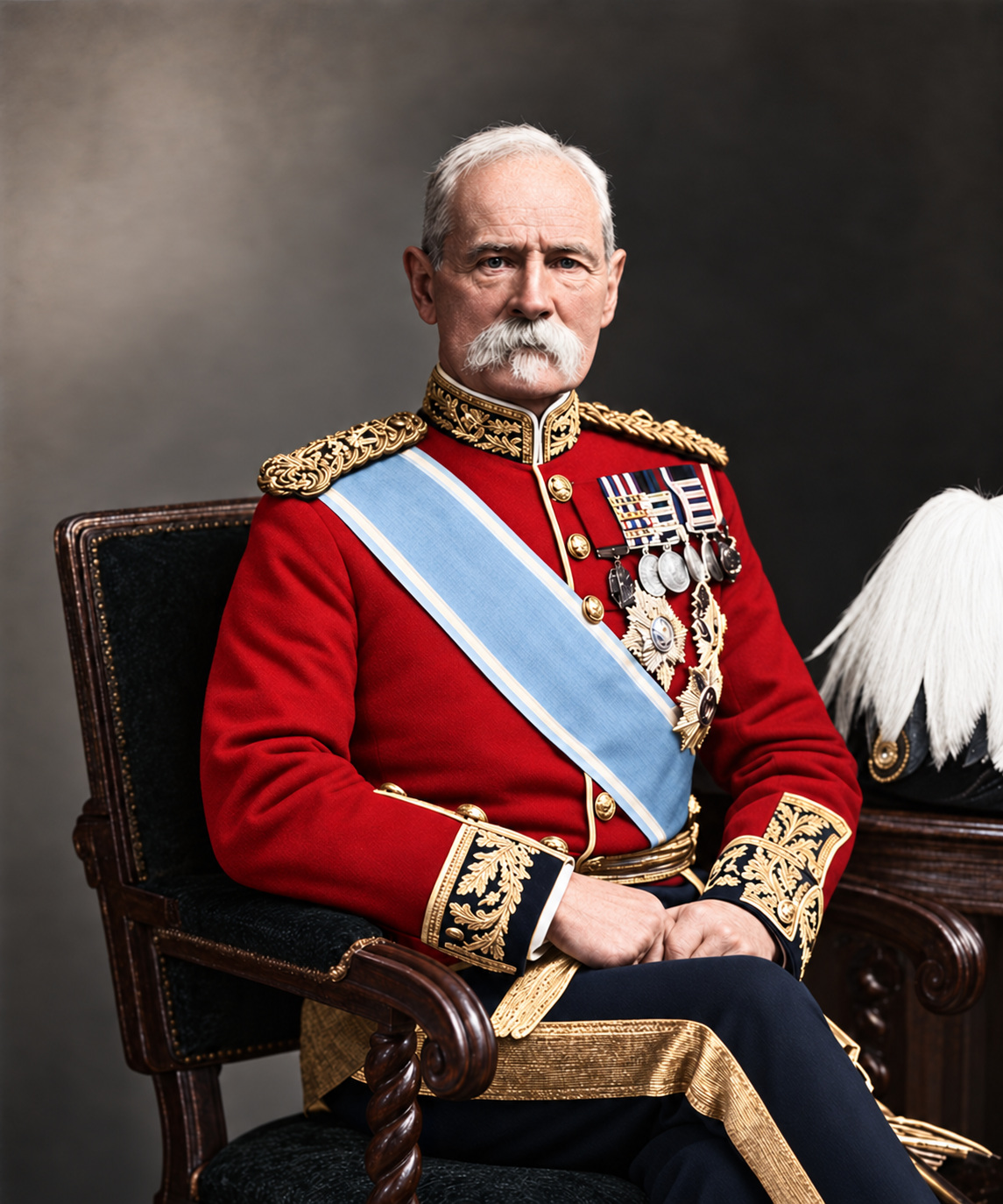
Frederick Sleigh Roberts. Photograph by Russell & Sons, 1897. Modern colourisation.

English-language editions

Two volumes, with the original text and a publisher’s apparatus. Both editions are forthcoming.

Forty-One Years in India (Annotated)

GREEN SERIES

Forty-One Years in India (Annotated)

From Subaltern to Commander-in-Chief. Volume I: The Mutiny and the Making of an Officer

Volume I follows Roberts from the Bengal Artillery through Delhi, Cawnpore, Lucknow and the campaigns of 1857–58.

Volume I · forthcoming in paperback and hardcover

Explore the edition →
Forty-One Years in India (Annotated)

GREEN SERIES

Forty-One Years in India (Annotated)

From Subaltern to Commander-in-Chief. Volume II: Kabul, Kandahar, and Command

Volume II follows Roberts through frontier warfare, Abyssinia and the Second Afghan War, the march from Kabul to Kandahar and command in India.

Volume II · forthcoming in paperback and hardcover

Explore the edition →

Life and work

A life in context

His memoir follows military service from a junior officer’s duties to the responsibilities of command.

Explore the life and work

The course of a life

Roberts entered the Bengal Artillery in 1851. He won the Victoria Cross for gallantry at Khudaganj during the Indian Mutiny, commanded the Kuram and Kabul field forces during the Second Afghan War and became famous for the march from Kabul to Kandahar in 1880.

Roberts served as Commander-in-Chief in India from 1885 to 1893 and became Field Marshal in 1895. His later career included supreme command in South Africa and service as the final Commander-in-Chief of the Forces. He died in France in November 1914 while visiting Indian troops serving on the Western Front.

The literary work

Forty-One Years in India is the commander’s account of his own service. The two volumes move from the campaigns of 1857–58 to Afghanistan and the higher commands in India.

The legacy

The memoir preserves a soldier’s view of the institutions, campaigns and decisions that shaped his career.

Historical sources and further reading