Amber · Youth, adventure and the shaping of character
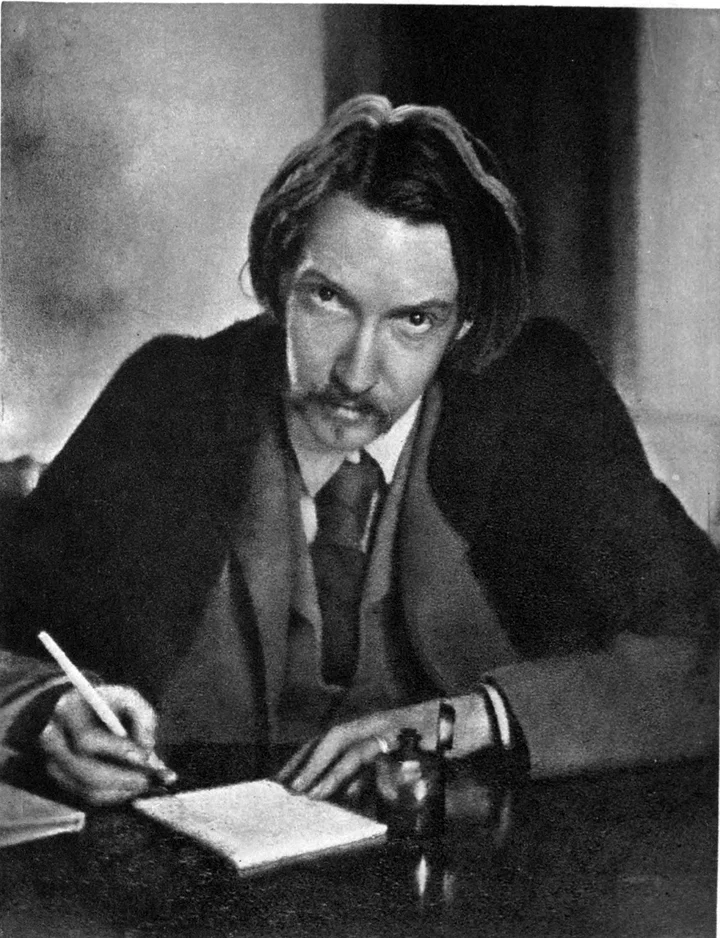
Robert Louis Stevenson
1850–1894
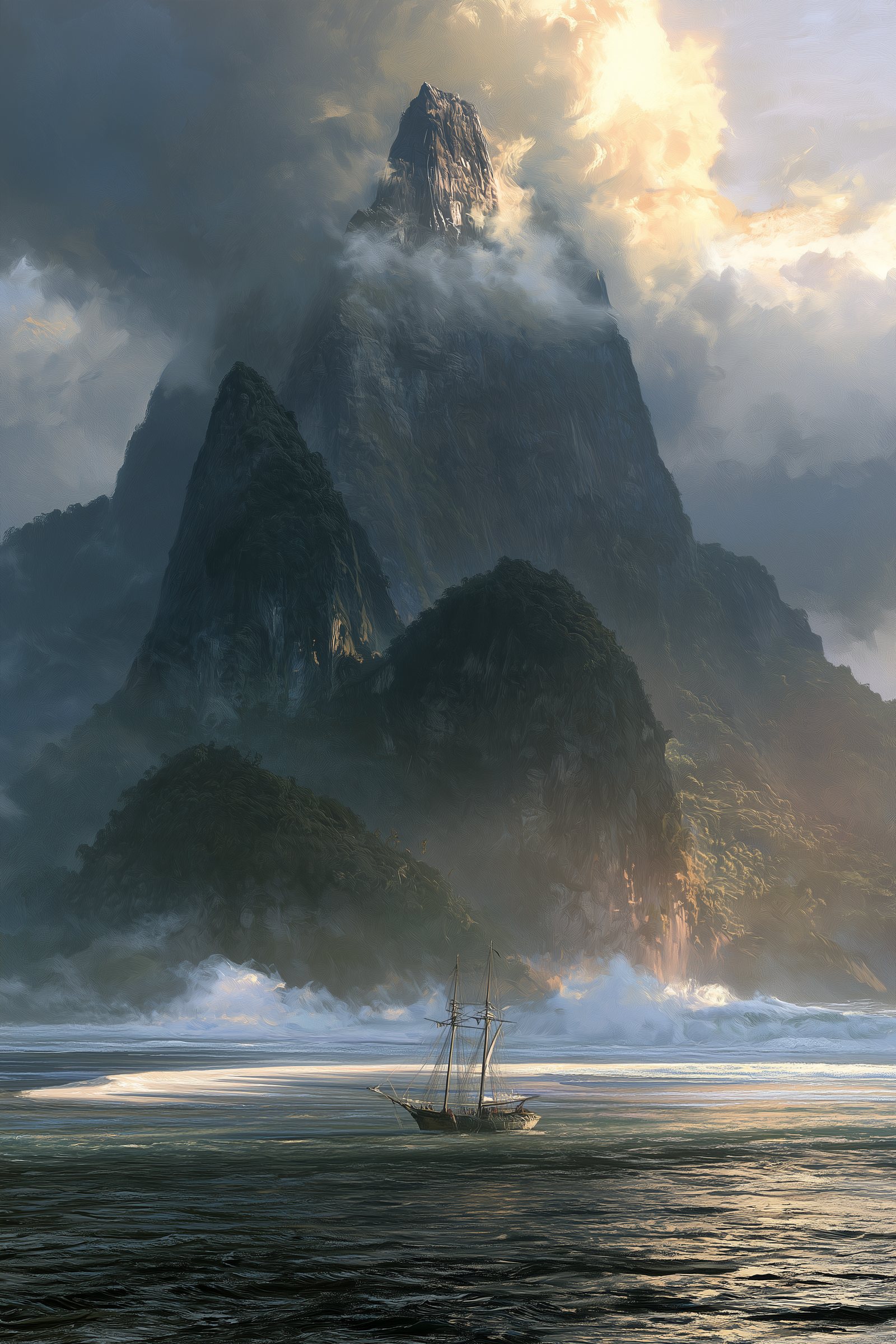
He drew an island, and the story followed.
In the summer of 1881 a painted map of an imaginary island set Stevenson writing. Treasure Island (1883) became one of the defining romances of the English language: the black spot, the sea cook, the stockade and the chart marked with a red cross.
English-language editions
 ↗
↗AMBER
Robert Louis Stevenson
A sea-chest, a hidden map and the name of a dead pirate draw young Jim Hawkins from the quiet Admiral Benbow into one of literature’s great voyages. This annotated edition keeps the Cassell text of 1883 unchanged, with footnotes, glossary, gazetteer and ten new plates.
Explore the edition →Life & context
Edinburgh and the family profession
Robert Louis Stevenson was born in Edinburgh on 13 November 1850 into a distinguished Scottish family of lighthouse engineers. His father, Thomas Stevenson, expected him to enter the family profession, and he began by studying engineering at the University of Edinburgh.
Literature had already claimed his deeper allegiance. In 1871 he abandoned engineering for law as a compromise with his family, qualified for the Scottish bar, and then devoted himself to writing: essays, travel books, stories, poems and novels, written on the move through Scotland, France, Switzerland and the United States.
The island at Braemar
In the summer of 1881, at Braemar, a map of an island painted with his stepson Lloyd Osbourne gave rise to a story first called The Sea Cook. It ran in the boys’ paper Young Folks under the name Captain George North before Cassell published it in book form as Treasure Island in 1883.
The years that followed brought A Child’s Garden of Verses, Strange Case of Dr Jekyll and Mr Hyde, Kidnapped and The Master of Ballantrae.
Tusitala
In 1888 Stevenson sailed into the Pacific. In 1890 he settled at Vailima on Upolu, Samoa, where he became known as Tusitala, “the teller of tales”. He died there on 3 December 1894, aged forty-four.
